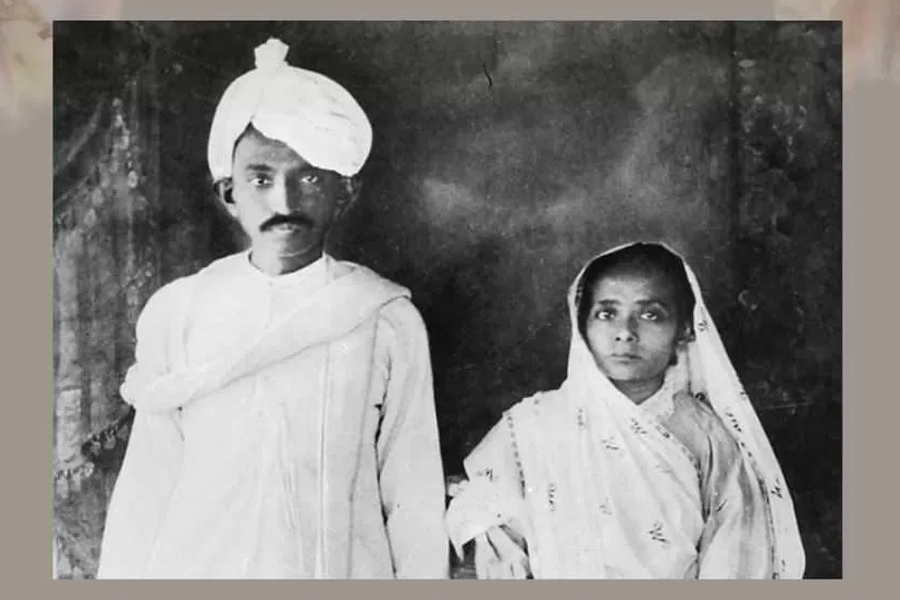
Early Life and Family Roots
Kantilal Gandhi belonged to a family shaped by public turbulence and intimate duty. He was born around 1910 in India. His father was Harilal Mohandas Gandhi, the eldest son of Mahatma Gandhi. His mother was Gulab Gandhi, who died young in 1918. That early bereavement likely shadowed his childhood. It also deepened the gravity of family responsibility.
The Gandhi household around him was never ordinary. Harilal remained a complicated figure, yet he still pressed his son toward education. Kantilal had siblings whose lives moved in different directions. Manu Gandhi and Rami Parikh reached adulthood. Rasiklal and Shantilal died while still young. Kantilal alone appears to have carried the family line forward with lasting steadiness.
His place in the wider Gandhi genealogy was significant. He stood several generations removed from Mahatma Gandhi, yet the surname still carried immense moral weight. That burden could have fostered vanity or rebellion. Instead, Kantilal seems to have chosen composure. He emerged as a quiet heir rather than a theatrical one.
Marriage and Household Rhythm
In the mid 1930s, Kantilal married Saraswati Thankachi Gandhi. She was born around 1924 and lived until 15 December 2008. Their marriage lasted about 38 years. They built a life marked by mutual purpose and restrained affection. Saraswati came from Kerala and brought her own disciplined Gandhian outlook. Their union felt practical, sincere, and rooted in service.
Their early married life in Mysore had a distinctive cadence. They even lived in separate houses there, yet met each day. That detail suggests unusual patience and trust. It also reveals a marriage built on companionship rather than spectacle. They shared Ram bhajans, conversation, and social commitment. The routine itself became a form of devotion.
Later, the couple moved to Mumbai. There, Saraswati worked with textile mill workers. Kantilal supported the same broad ethic of care. Their domestic world remained modest. They did not appear to chase luxuries or public acclaim. That simplicity aligned closely with the moral language of the family name.
Medical Training and Professional Formation
Kantilal Gandhi entered medicine around 1930. He was about 20 at the time. He passed matriculation and then pursued medical studies in Mysore. His father and Dewan Sir Mirza Ismail supported that path. At first, he may have felt hesitant. Still, the family expectation eventually prevailed.
Medicine offered him more than a profession. It offered discipline, structure, and service. He later practiced in Mysore and Mumbai. His work seems to have remained grounded in ordinary care rather than grand display. That kind of clinical labor can be deeply humane. It requires patience, discretion, and a durable conscience.
He also seems to have fulfilled a paternal ambition. Harilal had encouraged the medical path, and Kantilal followed through. That achievement mattered within the family. It symbolized stability after earlier unrest. In that sense, his career was not only personal. It was also reparative and generational.
Service in Mumbai and the Lok Seva Trust
Around 1950, Kantilal helped establish the Mumbai Lok Seva Trust. The trust focused on textile mill worker wellbeing. That mission placed him near the moral center of urban labor concerns. Textile workers in Mumbai often lived under harsh economic conditions. A trust dedicated to them reflected genuine social conscience. It also mirrored Gandhian concern for the vulnerable.
His work with the trust seems to have been practical rather than rhetorical. He did not build a flamboyant institution. He worked in the quieter register of assistance. This made his public life less visible, yet perhaps more durable. Many useful lives never attract headlines. Kantilal appears to belong to that category.
Little suggests that he accumulated great wealth. The family seems to have lived simply. That restraint is notable in any lineage touched by fame. Kantilal did not seem interested in converting ancestry into advantage. Instead, he preserved dignity through effort. His professional identity rested on usefulness, not ornament.
Family Ties and Personal Warmth
Kantilal maintained a close if reserved relationship with the broader Gandhi family. Mahatma Gandhi addressed him affectionately in letters. He called him Kanti and Saraswati Saru. Such details offer a rare glimpse into emotional intimacy. They also show a grandfatherly tenderness often hidden by public legend.
In 1929 and 1941, family interactions linked Kantilal to larger Gandhian circles. The Sevagram visit in 1941 placed his household inside a living moral network. These were not merely ceremonial moments. They anchored family identity within a wider historical movement. Kantilal was part of that continuity, even without rhetorical flourish.
He seemed reticent in temperament. Some accounts suggest a cautious or even cynical manner. Yet reticence is not the same as coldness. His loyalties remained firm. He honored family duty and professional obligation with equal seriousness. That combination often defines a reliable life.
Children and Grandchildren
Kantilal and Saraswati had two sons. Their first son, Shanti Gandhi, was born on 10 February 1940. He later became a cardiovascular surgeon in the United States. He also entered politics and served in the Kansas House from 2013 to 2015. The second son, Pradeep Kumar Gandhi, was born around 1952. He became a chartered accountant and also moved to the United States.
The family tree continued through six grandchildren. Shanti and Susan had four daughters. Their names were Ann, Anita, Anjali, and Alka Gandhi. Pradeep and Mangala had two daughters. Their names were Priya and Medha Gandhi. These names represent the family’s ongoing transnational spread. They also show how the Gandhi surname moved into new social worlds.
| Relationship | Name | Notable Detail |
|---|---|---|
| Father | Harilal Mohandas Gandhi | Born 1888, died 1948 |
| Mother | Gulab Gandhi | Born around 1891, died 1918 |
| Wife | Saraswati Thankachi Gandhi | Born around 1924, died 2008 |
| Son | Shanti Gandhi | Born 1940, surgeon and politician |
| Son | Pradeep Kumar Gandhi | Born around 1952, chartered accountant |
| Granddaughter | Ann Gandhi | Through Shanti |
| Granddaughter | Anita Gandhi | Through Shanti |
| Granddaughter | Anjali Gandhi | Through Shanti |
| Granddaughter | Alka Gandhi | Through Shanti |
| Granddaughter | Priya Gandhi | Through Pradeep |
| Granddaughter | Medha Gandhi | Through Pradeep |
A Structured Timeline of His Life
Kantilal Gandhi’s life can be traced through a sequence of clear markers. These dates reveal a steady arc rather than a dramatic rupture. The pattern begins with family origin and ends with quiet remembrance. Each moment contributes to a larger portrait.
| Year | Event | Detail |
|---|---|---|
| 1910 | Birth | Born in India |
| 1918 | Mother dies | Gulab Gandhi dies young |
| 1929 | Family interaction | Travels with Mahatma Gandhi |
| 1930 | Education begins | Passes matriculation and enters medicine |
| 1930s | Marriage | Marries Saraswati and lives in Mysore |
| 1940 | First son | Shanti Gandhi is born on 10 February |
| 1941 | Ashram visit | Family visits Sevagram |
| 1948 | Father dies | Harilal Mohandas Gandhi passes away |
| 1950 | Trust founded | Establishes Lok Seva Trust in Mumbai |
| 1952 | Second son | Pradeep Kumar Gandhi is born |
| 1967 | Son emigrates | Shanti moves to the United States |
| 1983 | Death | Kantilal dies on 30 October |
| 2008 | Wife dies | Saraswati dies on 15 December |
Legacy Without Spectacle
Kantilal Gandhi died on 30 October 1983, aged about 73. His life did not generate a large public archive. That absence should not be mistaken for insignificance. Many lives of genuine value remain largely private. His story survives through family memory, professional traces, and selective documentation. Those fragments still form a coherent human image.
His legacy rests on service, discretion, and familial steadiness. He transformed inherited moral pressure into practical work. He also built a household that reached across continents. In that sense, his life joined medicine, kinship, and social duty. The result was understated, but substantial.
Key Takeaways
Kantilal Gandhi was a grandson of Mahatma Gandhi through Harilal. He chose medicine and lived with notable restraint. His marriage to Saraswati created a durable partnership. Their shared life in Mysore and Mumbai reflected Gandhian simplicity. His work with the Lok Seva Trust emphasized labor welfare and social service.
He had two sons, Shanti and Pradeep, and six granddaughters. The family later extended into the United States. His life followed a measured arc from 1910 to 1983. It included education in 1930, marriage in the 1930s, trust work in 1950, and a quiet death in 1983. Kantilal Gandhi remains a compelling figure because he embodied steadiness without spectacle.